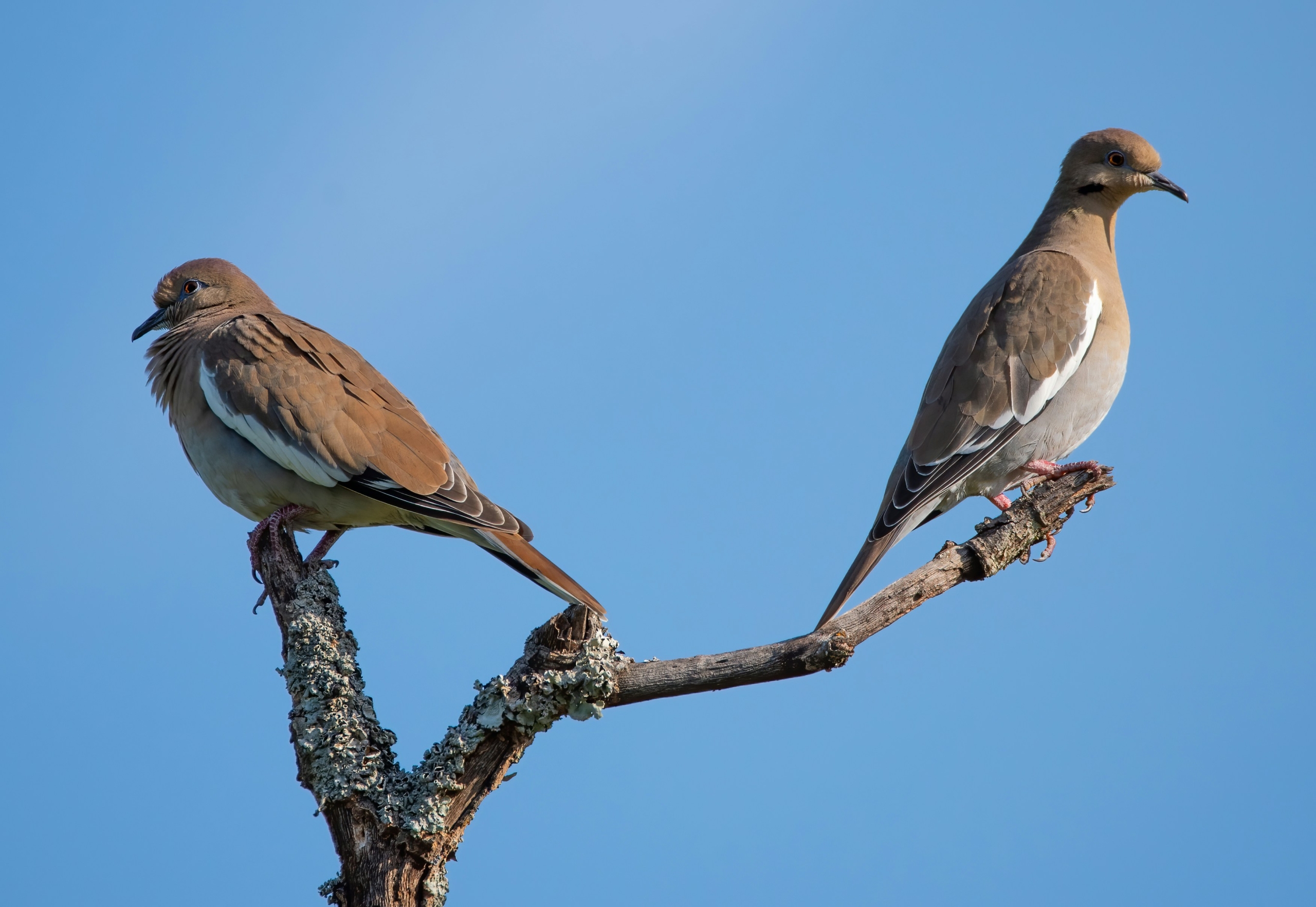
For the first time in memory, all three of Texas’s dove zones — North, Central, and South — open on the same day this year: September 1, 2026. The South Zone has historically lagged behind with a mid-September start and Special White-Winged Dove Days; the Texas Parks and Wildlife Commission did away with that stagger for the 2026–27 season, so the whole state opens together.
If you’ve been thinking about buying rural land for hunting, that change is more than a trivia note. Here’s why it matters, and what to look for if you want ground that’s ready before the birds show up.
Why the unified opener is a big deal for land buyers
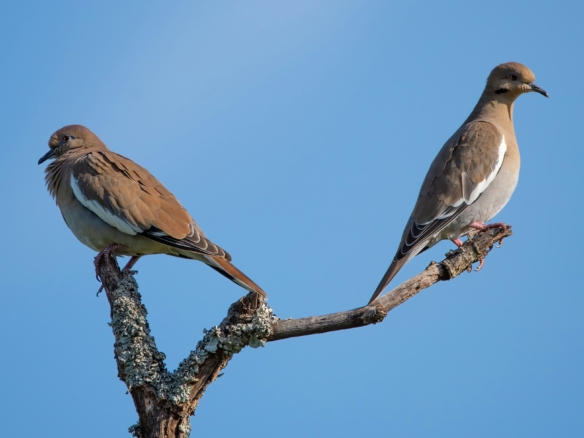
Dove hunting is a massive draw in Texas — more than 300,000 hunters take to the fields each year, and the activity pumps roughly half a billion dollars into local economies, mostly in small towns and on private land. A statewide September 1 opener means:
- Demand for huntable acreage spikes earlier and everywhere at once, instead of North Zone land moving first and South Zone land lagging a few weeks behind.
- Landowners with grain fields, sunflower patches, or stock tanks near roosting cover become significantly more attractive to lease hunters or weekend buyers looking for a quick return on a purchase.
- Properties that were previously “off the radar” in the South Zone — because the season used to start later there — are now on the same competitive footing as North and Central Zone tracts.
If you’re evaluating a listing right now, ask whether the seller or agent can speak to dove activity on the property. Recently harvested grain, milo, or sunflower fields adjacent to water and roost trees are the classic combination.
What actually makes a property good dove land
You don’t need thousands of acres to attract birds. A few features do most of the work:
- Bare or recently disturbed ground near a food source — doves feed on the ground and prefer open sightlines.
- A reliable water source — stock tanks, ponds, or seasonal creeks within a mile or so of the field.
- Roosting cover — mature trees or a tree line along a fence row or creek bottom.
- Access — a field you can walk into and set up along without disturbing the birds on the way in.
When you’re comparing parcels on Toro Land & Ranch, these are worth flagging in your notes even if the listing doesn’t call them out directly — a quick look at aerial imagery or a county appraisal district plat can often confirm crop history and nearby water.
Don’t forget the paperwork side of hunting land
A few practical reminders if this is your first hunting-land purchase:
- HIP certification is required for every migratory bird hunter in Texas, including dove — it’s free and done when you buy your license.
- Wildlife or agricultural valuation can meaningfully lower the property tax burden on rural acreage, but the application windows and stocking/usage requirements are tied to the appraisal district’s calendar, not hunting season — worth confirming with the county before you assume a discount applies in year one.
- Leasing it out even part-time during dove season is a common way new owners offset carrying costs while they plan a longer-term use for the land.
Timing your search
With opening day three weeks out, land that’s genuinely dove-ready this season is moving fast — sellers and agents know a September 1 closing story sells itself. If you’re weighing a purchase primarily for hunting value, the properties worth prioritizing right now are the ones with harvested or disced fields already in place, since there’s no time left this year to plant a food plot from scratch.
Browse current listings on torolandranch.com, or check the marketplace shop for vendors offering feeders, blinds, and other setup gear ahead of opening weekend.

Join The Discussion